Andy Burnham

Who Could Be Britain’s Next Prime Minister

The Labour Figures Who Could Shape the Party’s Future

With Labour now firmly positioned as the dominant force in Westminster, attention has already begun to shift to the question that always follows a change in political weather. Who might next lead the party, and by extension the country. Leadership speculation is a permanent feature of British politics, but within Labour it carries a particular weight. The party’s internal rules mean that any contender must first secure the support of 81 Labour MPs before they can appear on the ballot sent to party members. That threshold alone shapes the field, favouring candidates with both parliamentary reach and grassroots appeal.

What follows is not a prediction of outcomes. It is an exploration of the figures who are often discussed within Labour circles as potential future leaders, and the political forces that make each of them part of the conversation.

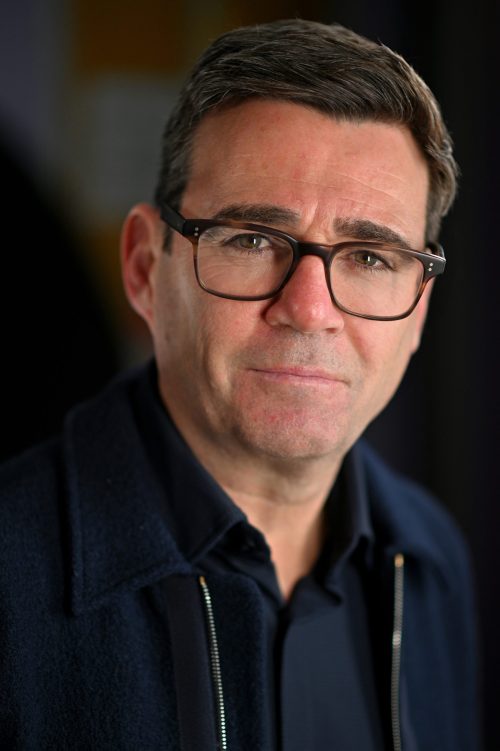
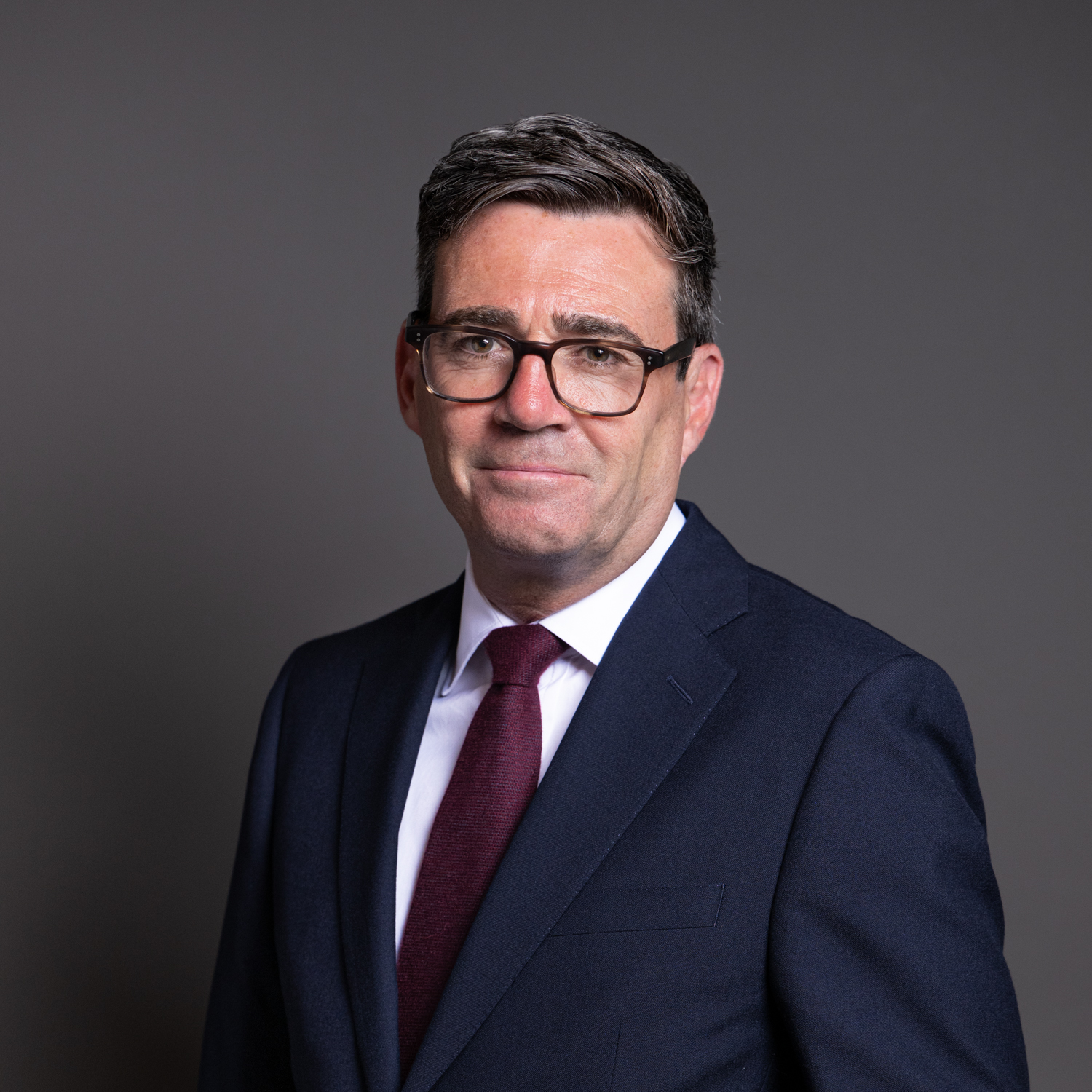
Andy Burnham (pictured)

Taking up his post as an MP today, Andy Burnham continues to loom large in Labour’s internal imagination. His tenure as Mayor of Greater Manchester has given him executive experience and a national platform. Burnham has already fought two Labour leadership contests, and his supporters argue that his regional credibility and policy record make him a unifying figure. Currently the bookies favourite.

Wes Streeting

Wes Streeting has become one of Labour’s most visible modernisers. His supporters see him as a communicator who can speak fluently to voters beyond Labour’s traditional base. His critics argue that his centrist instincts could provoke internal friction. What is clear is that Streeting has built a national profile quickly, and he has shown a willingness to take on difficult policy areas. That combination often matters in leadership contests, where visibility and perceived competence can carry as much weight as ideology.

Angela Rayner

Angela Rayner remains one of Labour’s most recognisable figures. Her personal story, her trade union grounding and her ability to connect with audiences give her a political authenticity that few can match. She also commands strong loyalty among sections of the membership. Any leadership race that includes Rayner would be shaped by her presence, not least because she bridges parts of the party that do not always sit comfortably together. Her challenge would be converting that broad appeal into the parliamentary nominations required to reach the ballot.

Ed Miliband

Ed Miliband remains a senior figure whose influence inside Labour is often underestimated. As a former party leader, he carries institutional memory and a clear sense of Labour’s ideological traditions. His recent work on climate and industrial policy has also given him renewed relevance. While some argue that the party is unlikely to return to a former leader, others note that Labour has a long history of rediscovering figures who once seemed out of the running. Miliband’s path would depend heavily on whether MPs see him as a stabilising presence in a future moment of uncertainty.

Al Carns

Al Carns represents a different kind of potential contender. Less nationally known than some of the others, he is often spoken about within Labour circles as part of the party’s next generation of strategic thinkers. His appeal would rest on offering a fresh direction rather than a familiar face. For candidates like Carns, the challenge is visibility. Securing 81 nominations requires deep parliamentary networks and a clear sense among MPs that a candidate can unite the party. If Carns continues to build influence, he could become a more prominent figure in future leadership discussions.

What This Tells Us About Labour’s Future

The range of names being discussed reflects a party that is broad, ambitious and still negotiating its identity after years of internal debate. The nomination threshold ensures that any future contest will be shaped by parliamentary arithmetic as much as by membership enthusiasm. It also means that leadership races are rarely straightforward. Alliances shift, factions recalibrate and candidates rise or fall quickly.

What is certain is that Labour’s next leadership contest, whenever it comes, will be fought on questions of direction, identity and the party’s relationship with the country it seeks to govern. The individuals mentioned here each represent a different answer to those questions. The decision will ultimately rest with MPs and members, and it will shape British politics for years to come.

Sir Keir Starmer

Keir Starmer Resigns

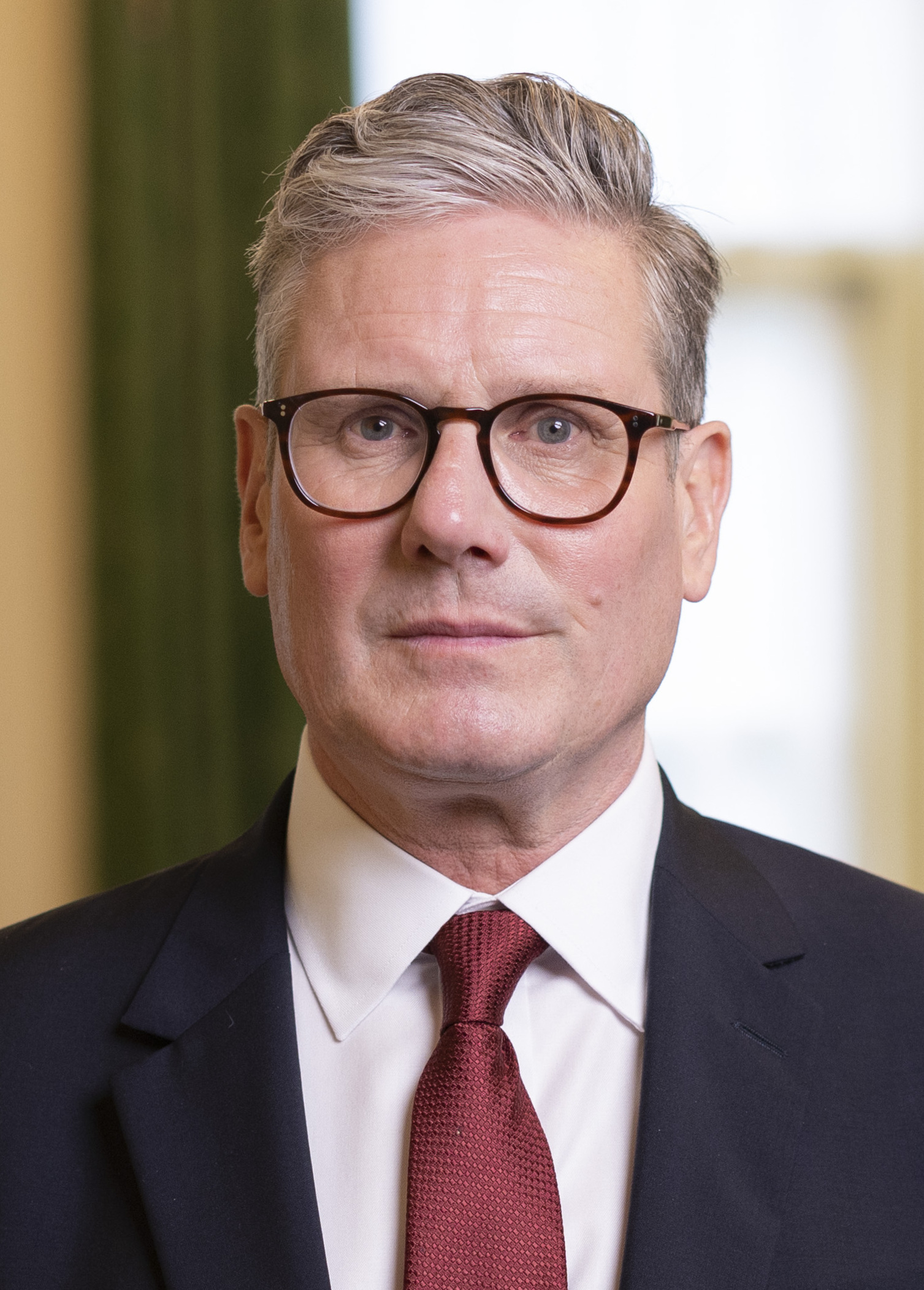
Sir Keir Starmer has announced he is stepping down as prime minister and leader of the Labour Party, here is his resignation speech in full:

Thank you. Thank you. Walking up this street two years ago was the proudest moment of my life. A new Labour government. The first in 14 years. A page in our country’s history turned after years of disappointment and despair.

The chance to change the lives of millions of people for the better. That’s what I came into politics for. The journey to that point was not easy.

Six years ago, I inherited a Labour Party that was politically, financially and morally bankrupt. I was told, time and time again, that my party was finished.

That we were consigned to history, that a majority at the general election, let alone a landslide majority, was impossible. But we proved those people wrong because we changed our party.

Ripping out the poison of antisemitism, restoring trust on the economy, defence, and national security.

And becoming a party that, once again, stood proudly with, not against, our national flag. The hard work of change was with a singular purpose. Not power for power’s sake but to change Britain for the better.

To build a fairer country, with dignity and respect, where everyone is seen, everyone is valued. Wealth and opportunity for all, not just the privileged few. And look at what we’ve achieved in just two years.

An economy that is stronger, growing faster than our peers. Wages rising faster than inflation in every single month since we came to power. Investment secured, infrastructure being built. An end to austerity, with the fastest fall in NHS waiting lists for 17 years.

The biggest improvement in rights for workers and renters in a generation. The biggest uplift in defence spending since the Cold War. Small boat crossings falling, asylum hotels closing, protecting young people from social media, and half a million children being lifted out of poverty because of the choices that I made.

Our reputation in the world restored, with Britain once again standing up for decency, respect and the rule of law. Securing trade deals, standing with Ukraine, standing up for our values, and rebuilding our relationship with our allies in Europe.

Change promised by a Labour government. Change fought for by a Labour government, change delivered by a Labour government.

But I know the question being asked now is not who was best placed to change the Labour Party, to take us into power, and to begin the vital work of improving lives for millions of people. Those questions have been answered.

The question my party is asking now is whether I am best placed to lead us into the next general election. I have heard the answer of my parliamentary party to that question. And I accept that answer with good grace.

Every decision I’ve taken has been about putting the country I love first. That is why I will resign as leader of the Labour Party. I have spoken to His Majesty the King this morning to inform him of my decision.

I will ask the National Executive Committee of the Labour Party to set out a timetable with nominations opening on 9 July and completed by the summer recess. In the case of a contest, this will ensure a new leader is in place before Parliament returns in September.

I will remain in post as Prime Minister until the contest is complete. And I will do everything I can to ensure an orderly handover of power.

I will also give my successor my full and unequivocal support, knowing that they will inherit a Britain that is far stronger and fairer than the one I inherited two years ago, better prepared for the challenges ahead, and better able to ensure the Labour Party secures a second term in office.

I want to thank all of those friends and colleagues who have been at my side for these past six years or so for their incredible commitment, service and support.

I want to thank the brilliant No 10 staff and our country’s extraordinary civil service, who dedicate their lives to public service.

And when I leave, the biggest job in the country. I shall spend more time on the most important job. Being the best husband I can to my fantastic wife, Vic, who has been a rock by my side, through good times and bad. And being the best dad I can to my beautiful children, who are my pride and my joy.

Thank you very much.

Sir Keir Starmer

Sir Keir Starmer

From Slogans to Struggles: The Reality of Year One Under Labour

✨ Key Achievements

1. Economic & Public Service Investment

  • Chancellor Rachel Reeves launched “securonomics”: a major capital investment programme (~£113 bn) focused on infrastructure, clean energy, AI, and public services, the biggest tax rise since 1993 to pay for it (labourfuture.co.uk).
  • The NHS received a £29 bn boost, resulting in a ~5 % reduction in waiting lists (Financial Times).
  • Minimum wage rose to £12.21/hr, a 6.7 % increase (Asian Voice).

2. Housing & Planning Reform

  • Ambitious but under-delivering 5-year target to build 1.5 million homes; however, planning approvals dropped to a 13‑year low (Financial Times).
  • The National Planning Policy Framework and Planning Bill introduced greenbelt “grey belt” development and reinstated mandatory housing targets (Planning, Building & Construction Today).

3. Immigration & Border Policies

  • Introduced a bilateral “one in, one out” scheme with France to manage small boats and launch legal asylum pathways (Financial Times).
  • Deportations increased, ECHR reforms advanced to speed up removals, while Channel crossings continued to rise (~45 %) (The Guardian).

4. Welfare and Workers’ Rights

  • Employment Rights Bill introduced: expanded protections against unfair dismissal, strengthened rights from day one, and addressed zero-hours contracts (The Guardian).
  • Welfare reforms included cuts to the health component of Universal Credit and stricter PIP eligibility for new claimants; this triggered a backbench rebellion (47–50 MPs) (The Guardian).

5. Global & Strategic Moves

  • Strengthened UK–US trade relations, backed Ukraine, and secured a France immigration accord alongside broader defence agreements .
  • Launched Great British Energy Act and National Wealth Fund to drive clean energy and heavy‑industry decarbonisation (Asian Voice).

🚩 Major Criticisms & Challenges

Economic Performance & Fiscal Tension

  • Growth has been sluggish: early 2025 saw near-zero GDP growth, with OBR halving its forecast to ~1 % (The Times).
  • A fiscal “black hole” (~£22 bn) inherited from Conservatives forced tax/NI hikes and spending cuts (ii.co.uk).
  • Employer NI rises and VAT on private schools sparked backlash; “fiscal drag” froze thresholds, inadvertently raising taxes (The Times).

Messaging & Leadership

  • Labour’s brand of cautious, managerial politics has led critics to say it lacks vision and boldness (labourfuture.co.uk).
  • A string of PR missteps over fuel payments, gifts scandal, and civil service appointments have dented internal unity .

Voter Sentiment

  • Traditional Labour supporters feel alienated: many cite betrayal on welfare/housing, claiming the party seems more Conservative-lite (The Guardian).
  • Approval ratings are low: 47–72 % view the government as ineffective or chaotic, 72 % say it’s as chaotic as its predecessor (The Times).
  • Pessimism abounds: YouGov found 59 % disapproved of Labour at 100 days, 39 % think the country is worse off (YouGov).

🔍 Balanced Perspective

  • What’s working: Rebuilding public institutions (NHS, housing and worker protections), investing in green energy and infrastructure, diplomatic gains.
  • What needs fixing: A clear “narrative” tying reforms together, stronger leadership messaging, addressing economic stagnation head-on, and retaining core supporters.

Think tanks like the Institute for Government argue that the government must combine coherent vision with bold policy and polish communication (Institute for Government).


📝 Summary

AreaPositivesConcerns
EconomyInvestment-led approach, stable marketsGrowth weak, inflation and tax drag biting
Public ServicesNHS funding, waiting list reductionsWorkforce shortages remain
HousingPlanning reformsDeliverability faltering, approvals at 13-year low
Welfare/BenefitsEmployment rights protectionsBenefit cuts sparked internal rebellion
ImmigrationPragmatic policies, France dealCrossings still rising, rights concerns
PoliticsDiplomatic gains, defence strategyVoter disillusionment, messaging lacks clarity

✅ Verdict:

Labour’s first year featured solid policy groundwork and public-service investment, but was overshadowed by economic headwinds, messaging missteps, rebel backlash, and voter unease. The critical next phase: deliver tangible growth and reconnect with core supporters while refining public narrative and internal cohesion.

The First 100 days of the new UK labour government

In his first 100 days as Prime Minister, Sir Keir Starmer has faced a mix of challenges and achievements. Here are some key highlights:

  1. Economic Challenges: Early in his tenure, Chancellor Rachel Reeves revealed a £20 billion “black hole” in public finances, which has significantly influenced the government’s policy decisions. This led to controversial measures like means-testing Winter Fuel Payments for pensioners.
  2. Policy Initiatives: Starmer’s government has focused on delivering change and restoring public service. However, some of their decisions, such as not scrapping the two-child benefit cap, have faced criticism.
  3. Political Landscape: Starmer has had to navigate internal party dynamics and external political pressures. His leadership style and decisions have been under scrutiny, with some commentators questioning his political acumen.
  4. Public Perception: The Labour Party’s approach and Starmer’s leadership have been met with mixed reactions. While some appreciate the shift from the previous administration, others are concerned about the effectiveness of his policies and leadership

Overall, Starmer’s first 100 days have been a period of adjustment and laying the groundwork for his government’s future actions. How do you feel about his performance so far?

Sir Keir Starmer

Sir Keir Starmer Is Prime Minister

Today marks a significant turning point in British politics as Keir Starmer officially becomes the Prime Minister of the United Kingdom. This historic moment follows a decisive victory for the Labour Party, which has not held power since 20101.

The Challenges Ahead

As Prime Minister, Starmer faces a myriad of challenges. The UK is grappling with economic uncertainty, the ongoing impacts of Brexit, and a strained public health system. However, his victory signals a desire for change among the British electorate. Starmer has pledged to address these issues with a pragmatic and inclusive approach, aiming to restore trust in government and deliver tangible improvements to people’s lives.

Party Manifestos – Election 2024

As the United Kingdom gears up for another pivotal general election, the political landscape is abuzz with the release of party manifestos. These documents are not just political promises; they are blueprints that outline the future each party envisions for the country. In this article, we delve into the manifestos of the major UK parties, dissecting their key points and pledges. From Labour’s extensive 136-page document to the Conservative Party’s bold economic and social initiatives, we explore how these manifestos aim to shape policy, impact finances, and address the big issues facing the nation. Join us as we unravel the commitments set forth by the political contenders and what they mean for the citizens of the UK.

Conservative Party Manifesto 2024

Labour Party Manifesto 2024

Liberal Democrats Manifesto 2024

Green Party Manifesto 2024

Reform UK Manifesto 2024

Scottish National Party Manifesto 2024

Plaid Cymru Manifesto 2024

ALBA Manifesto 2024

At the time this article was published, the ALBA manifesto had not been released. However a page giving details of Policies is available.

Workers Party of Britain

Scottish Greens Manifesto 2024

At the time this article was publised, the Scottish Greens manifesto had not been released.


Northern Ireland

composite image of a man in top hat and tails dancing on a ballot box

The Ballot Box Tango: A Dance of Democracy

Once upon a time, in the not-so-far-off land of Britannia, the citizens were gearing up for their most beloved (and sometimes befuddling) tradition: the election dance-off, also known as the UK electoral process.

Character: Meet John Q. Public, a lovable everyman with a penchant for tea and a healthy dose of skepticism about politicians. He’s our hero, the voter, looking to make his mark (quite literally) on the future of his country.

Composite image of an old man holding a cup and a ballot paper

Problem: John’s dilemma is as old as time—or at least as old as the Magna Carta. He’s overwhelmed by the barrage of political jargon, the never-ending parade of candidates, and the existential dread of choosing the lesser of “who’s she again?”

cartoon of various characters representing political candidates

Guide: Enter Dame Democracy, a wise and witty guide with a twinkle in her eye and a ballot paper in her hand. She’s here to demystify the process and lead John through the maze of manifestos and polling stations.

Composite image of an older woman representing Dame Democracy. She's holding a ballot paper and wearing an extravagant hat.

Plan: Dame Democracy lays out a simple plan for John:

  1. Register to Vote: “If you’re not in, you can’t win,” she says with a wink.
  2. Understand the Parties: She hands John a magical pair of spectacles that translate political speak into plain English.
  3. Cast Your Vote: She teaches John the ancient art of the pencil cross, a powerful symbol that can change the destiny of the nation.

Call to Action: “Now, John, it’s time to tango with democracy,” Dame Democracy declares, as she leads him to the polling station.

Success: John casts his vote, and the feeling of empowerment is electric. He’s contributed to the grand dance of democracy, where every step, every vote, and every voice counts.

Failure: If John doesn’t participate, he’ll be left with the dreaded “what if?” and the haunting melody of the could-have-been waltz.

cartoon of people dancing around a giant ballot box

Resolution: As the votes are counted and the results declared, John realizes that while his candidate may not always win, his participation in the dance makes him a champion of democracy.

And so, the citizens of Britannia twirl on, partners in the great Ballot Box Tango, where every election is a chance to lead, follow, or get out of the way.

General Election TV Debates

All the dates for the face-to-face General Election TV debates between the political parties and their leaders on UK television.

National

  • Head-to-Head: Tuesday 4 June, ITV ‘s Julie Etchingham will host the first major election debate from 21:00, between Mr Sunak and Sir Keir.
  • Seven-party debate: Friday 7 June, London – Mishal Husain will moderate a debate between leading figures from the seven biggest political parties, the Conservative Party, Labour Party, Liberal Democrats, Scottish National Party (SNP), Plaid Cymru, Green Party and Reform UK, in Great Britain. It will be broadcast from 19:30-21:00 on the BBC. Labour has said Sir Keir will not be attending the seven-party debate, while Mr Sunak has not yet decided.
  • The ITV Election Debate 2024: Thursday 13 June, moderated by Julie Etchingham. To be broadcast on ITV. Leaders or senior representatives from the following parties will participate; Conservative Party, Labour Party, Liberal Democrats, SNP, Reform UK, Green Party and Plaid Cymru. Broadcasting on 13 June at 20:30 on ITV.
  • Question Time Leaders’ Special: Thursday 20 June, York – Fiona Bruce will present the show with questions from a studio audience, involving leaders of the four biggest political parties in Great Britain, broadcast from 20:00-22:00 on the BBC.
  • Head-to-head debate: Wednesday 26 June, Nottingham – Sophie Raworth will host the event involving Rishi Sunak and Sir Keir Starmer. This is set to be the final TV debate of the election campaign and will be broadcast from 21:00-22:00 on the BBC.

Scotland, Wales and NI

Debates have also been scheduled in Scotland, Wales and Northern Ireland:

  • Scotland Election 2024 Leaders’ Special: Tuesday 11 June – Stephen Jardine will chair a debate featuring the leaders of the five Scottish parties. They will appear in front of a live audience on BBC One Scotland from 20:00-21:00
  • Wales Leaders’ Debate live: Friday 21 June – Bethan Rhys Roberts will host a debate programme in Cardiff from 19:00 on BBC One Wales with the leaders of the main parties in Wales
  • Northern Ireland Leaders’ Debate: Thursday 27 June – Tara Mills will preside over a debate featuring the main party leaders in Northern Ireland, broadcast on BBC One Northern Ireland

First TV Debate Announced

The first TV debate for the upcoming UK general election has been announced. It will feature a head-to-head discussion between Rishi Sunak, leader of the Conservative Party, and Sir Keir Starmer, leader of the Labour Party. The debate is scheduled to be broadcast on ITV1, ITVX, and STV, and will take place on June 4 at 9pm local time.

This event, titled “Sunak v Starmer: The ITV Debate,” will be moderated by Julie Etchingham, who has previously moderated the 2015, 2017, and 2019 ITV debates. It promises to be an engaging hour-long session, held live in front of a studio audience.

The debate is part of ITV’s broader election coverage, which will also include an interview program with other party leaders and a multi-party debate. The BBC and Channel 4 are also planning extensive coverage with their own debates and special programming. This marks a significant moment in the election campaign, providing voters with the opportunity to hear directly from the two main party leaders.

Rishi Sunak told ITV News he was looking forward to the debate.

“The choice at this election is increasingly clear,” he said. “Bold action with a clear plan for a more secure future with the Conservatives or back to square one with no plan or no certainty with Labour.”

Sir Keir also said that he was looking forward to the debate.

“I get the chance to talk directly to your viewers and to make our argument. To say to them the choice is really clear. You’ve had 14 years of chaos, division and failure – we can turn a page on that and usher in rebuilding with Labour.”

Stage Set for Sunak and Starmer’s Live Debates

UK General Election 2024: A Stage Set for Sunak and Starmer’s Live Debates

In a remarkable turn of events, the UK’s political landscape is set to be electrified with the announcement that Rishi Sunak and Keir Starmer have agreed to participate in live TV election debates. This decision marks a significant moment in the run-up to the 2024 UK general election, promising an engaging and dynamic discourse for the electorate.

The Debate Agreement

The Conservative Party, led by Rishi Sunak, has been advocating for a series of six TV debates, one for each week of the campaign. However, Labour officials have committed to two major debates to be broadcasted by the BBC and ITV. This compromise breaks the ice on what has been a contentious issue, with the Tories previously dubbing Starmer as ‘the Knight afraid to fight’.

The Importance of Live Debates

Live debates are not a new phenomenon in UK politics, but they hold a special significance in the digital age. They offer a platform for leaders to outline their visions directly to the voters, unfiltered by the press or social media. The debates are expected to cover a wide range of pressing issues, from economic policies to social welfare, healthcare, and Britain’s role on the global stage.

Public Reaction

The public’s anticipation for these debates is palpable. The last general election debates in 2019 attracted an audience of 6.7 million viewers, highlighting the importance of these events in shaping public opinion. With the commitment from both party leaders, the 2024 debates are poised to be a pivotal moment in the election cycle.

Conclusion

As the UK gears up for the 2024 general election, the agreement between Rishi Sunak and Keir Starmer to engage in live TV debates is a win for democracy. It ensures that the electorate will have the opportunity to witness a direct exchange of ideas and policies, enabling them to make an informed decision at the polls. The stage is set, and the nation eagerly awaits what promises to be a series of compelling political showdowns.


This blog post reflects the latest developments as of May 24, 2024.